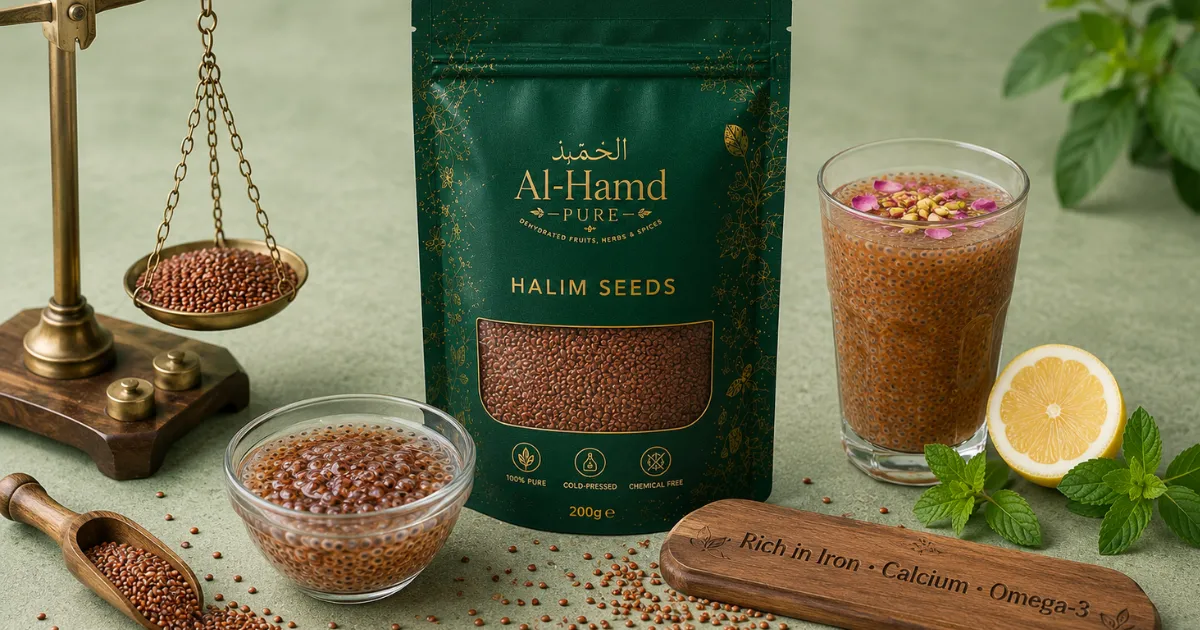
What Are Halim Seeds? A Complete Introduction to Garden Cress
Halim seeds, scientifically known as Lepidium sativum, are tiny reddish-brown seeds that come from the garden cress plant — a fast-growing herb belonging to the Brassicaceae (mustard) family. Across South Asia, they are affectionately called Aliv seeds in Gujarati, Chandrasur or Asaliyo in Hindi and Marathi, and Halim in Urdu and Arabic.
For centuries, these seeds have occupied an honoured place in Ayurvedic and Unani medicine. From boosting postpartum recovery in new mothers to helping children overcome iron-deficiency anaemia, halim seeds have served as a natural remedy across generations — and modern nutritional science is increasingly affirming what traditional healers have long known.
In this guide, we cover everything you need to know about halim seeds: their impressive nutritional profile, their evidence-based health benefits, the best ways to consume them, safe daily dosages, practical recipes, and important precautions.
Nutritional Profile of Halim Seeds
The therapeutic power of halim seeds lies squarely in their extraordinary nutritional density. Per 100 grams of raw garden cress seeds, you receive a remarkable concentration of micronutrients that rivals many conventional supplements.
| Nutrient | Amount | % Daily Value (approx.) |
|---|---|---|
| Calories | ~32 kcal | — |
| Protein | 2.6 g | 5% |
| Carbohydrates | 5.5 g | 2% |
| Dietary Fibre | 1.1 g | 4% |
| Fat | 0.7 g | 1% |
| Iron | ~100 mg | 556% |
| Calcium | ~81 mg | 8% |
| Vitamin C | ~69 mg | 77% |
| Folate (B9) | ~80 µg | 20% |
| Vitamin A | ~346 IU | 7% |
| Phosphorus | ~45 mg | 4% |
| Potassium | ~606 mg | 17% |
Beyond vitamins and minerals, halim seeds contain powerful bioactive compounds including glucosinolates, flavonoids, alkaloids, tannins, mucilage, and omega-3 fatty acids. This complex phytochemical matrix is responsible for many of their therapeutic effects.
Key Insight: Halim seeds contain more iron per 100 g than red meat, making them one of the richest plant-based sources of iron available — a fact particularly significant for vegetarians and vegans.
Top 15 Evidence-Based Health Benefits of Halim Seeds
1. Fights Iron-Deficiency Anaemia
With an iron content that dwarfs most plant foods, halim seeds are among the most effective natural remedies for iron-deficiency anaemia. Iron is essential for haemoglobin synthesis — the protein in red blood cells responsible for carrying oxygen throughout the body. Symptoms of deficiency, including fatigue, dizziness, and pale skin, can be significantly alleviated through regular consumption of halim seeds. Pairing them with a source of Vitamin C (such as lemon juice or amla) further enhances non-haeme iron absorption.
2. Supports Bone Health
Halim seeds are a meaningful source of calcium, phosphorus, and Vitamin K, three nutrients that work synergistically to maintain bone density and reduce the risk of osteoporosis. Regular intake may be beneficial for growing children, menopausal women, and elderly individuals who are at higher risk of bone loss.
3. Promotes Healthy Lactation
In Ayurvedic tradition, halim seeds have long been used as a galactagogue — a substance that promotes breast milk production. They are routinely prepared as halim ladoos (nutritious sweet balls) and given to new mothers in the weeks following childbirth. While robust clinical trials are limited, traditional use and their nutrient richness (iron, calcium, folate) provide a plausible biological rationale for this benefit.
4. Aids Respiratory Health
The mucilage (gel-forming fibre) present in soaked halim seeds is known to soothe irritated mucous membranes in the respiratory tract. Halim seeds have traditionally been used to relieve symptoms of asthma, bronchitis, cough, and congestion. Their anti- inflammatory and antimicrobial compounds may further support this action.
5. Regulates Menstrual Irregularities
Phytochemicals in halim seeds, particularly phytoestrogens, are believed to mimic oestrogen and help regulate hormonal balance. Women experiencing irregular periods, delayed cycles, or hormonal fluctuations may benefit from including halim seeds in their diet. They are traditionally consumed during menstruation to ease cramps and replenish iron lost through blood loss.
6. Supports Digestive Health and Relieves Constipation
When soaked in water, halim seeds swell to form a gel-like coating, much like basil seeds (sabja). This mucilaginous fibre acts as a natural laxative, softening stools and supporting smoother bowel movements. They also help maintain a healthy gut microbiome by acting as a prebiotic.
7. Powerful Antioxidant and Anti-Inflammatory Properties
Halim seeds contain a range of flavonoids, glucosinolates, and phenolic compounds that neutralise harmful free radicals and reduce systemic inflammation. Chronic inflammation is a root driver of conditions including cardiovascular disease, diabetes, and cancer, making these antioxidant properties particularly valuable.
8. Promotes Healthy Hair Growth
Thanks to their high iron, protein, and Vitamin C content, halim seeds directly address two of the most common causes of hair thinning and hair loss — iron deficiency and poor collagen synthesis. Iron supports oxygen delivery to hair follicles, while protein provides the raw building blocks for keratin formation.
9. Supports Healthy Skin
The combination of Vitamin A, Vitamin C, and antioxidants in halim seeds promotes skin cell renewal, boosts collagen production, and helps protect the skin from oxidative damage. Regular consumption may contribute to a clearer, more radiant complexion.
10. Helps Manage Blood Sugar Levels
Several studies suggest that the fibre and phytochemicals in halim seeds may help slow the absorption of glucose into the bloodstream, contributing to better glycaemic control. This makes them a potentially useful dietary addition for individuals managing Type 2 diabetes or pre-diabetes, though they should not replace prescribed medication.
11. Supports Heart Health
Halim seeds contain omega-3 fatty acids and potassium, nutrients associated with cardiovascular health. Omega-3s help reduce triglycerides and inflammation in blood vessels, while potassium supports healthy blood pressure regulation.
12. May Enhance Memory and Cognitive Function
Preliminary animal studies have indicated that extracts of Lepidium sativum may exhibit neuroprotective properties and support cognitive function. While human clinical research is still emerging, the seeds' rich iron content also plays a role — iron deficiency is a well-documented contributor to poor cognitive performance, particularly in children.
13. Natural Diuretic Properties
Halim seeds have traditionally been used to stimulate kidney function and support the elimination of excess fluids from the body, functioning as a gentle natural diuretic. This may help reduce water retention and support urinary tract health.
14. Immune System Support
With nearly 77% of the daily recommended intake of Vitamin C per 100 g, halim seeds provide significant immune-boosting support. Vitamin C enhances white blood cell production and function, helping the body mount a more effective defence against infections.
15. Supports Weight Management
Soaked halim seeds expand significantly in volume, helping create a feeling of satiety with minimal calories. Including them in meals or drinks can help curb appetite and reduce overall caloric intake — a useful tool for those managing their weight.
Halim Seeds Benefits for Women
Halim seeds offer particularly targeted benefits for women across different life stages:
- Menstrual health: Replenishes iron lost during menstruation and may help regulate cycle irregularities through phytoestrogenic activity.
- Pregnancy preparation: High folate content supports neural tube development and reduces the risk of birth defects.
- Postpartum recovery: Traditional use as a galactagogue and their rich iron and calcium content support the body's recovery after childbirth.
- Menopausal support: Phytoestrogens may help ease hormonal transitions during perimenopause and menopause.
- Bone protection: Calcium and Vitamin K help counteract the increased bone loss risk associated with declining oestrogen levels.
Halim Seeds Benefits for Men
Men too stand to gain meaningfully from incorporating halim seeds into their daily routine:
- Energy and stamina: High iron content combats fatigue and supports sustained physical energy.
- Muscle recovery: Protein and anti-inflammatory compounds support muscle repair after physical exertion.
- Heart health: Omega-3 fatty acids and potassium are particularly relevant for men, who tend to face elevated cardiovascular risk.
- Libido support: Historically used in traditional medicine as an aphrodisiac, though clinical evidence in humans remains limited.
Halim Seeds Benefits for Children
Growing children have heightened nutritional requirements, and halim seeds are particularly well-suited to meeting several of them:
- Preventing iron-deficiency anaemia, which is alarmingly common in children and adversely affects cognitive development and school performance.
- Supporting bone growth through calcium and phosphorus.
- Strengthening immunity with Vitamin C and antioxidants.
- Enhancing memory and concentration — iron plays a direct role in neurotransmitter synthesis and cognitive function.
Note: Always consult a paediatrician before introducing concentrated herbal seeds into a child's diet, especially for children under 2 years of age.
Halim Seeds During Pregnancy and Postpartum Recovery
During Pregnancy
Halim seeds contain nutrients critical during pregnancy — particularly folate (Vitamin B9), which is essential in the first trimester to prevent neural tube defects, and iron, which supports the dramatic increase in blood volume required during gestation.
However, a critical caution applies: Halim seeds have historically been used as a uterine stimulant in traditional medicine. Large amounts may potentially stimulate uterine contractions. Therefore, pregnant women should not consume halim seeds in medicinal or concentrated quantities without explicit guidance from their obstetrician. Small amounts used as a culinary spice are generally considered lower risk, but medical clearance is always recommended.
Postpartum Recovery
After delivery, halim seeds are a nutritional powerhouse for recovery. In traditional South Asian postpartum care, they are a cornerstone food given to new mothers, prepared as:
- Halim ladoos — to replenish iron, calcium, and energy reserves.
- Halim milk — to support lactation and provide warmth and nourishment.
Their galactagogue properties, iron content to counteract postpartum blood loss, and bone- building nutrients make them particularly well-suited to this phase of recovery.
How to Consume Halim Seeds: Methods and Tips
Halim seeds are highly versatile and can be incorporated into your diet in several practical ways:
- Soaked Halim Water: Soak 1–2 teaspoons of seeds in a glass of water overnight. Consume on an empty stomach in the morning, along with the gel and seeds. Add honey or lemon for flavour.
- Halim Milk (traditional): Soak 1 tsp of halim seeds in warm milk for 20–30 minutes. Sweeten with jaggery or honey and consume before bedtime. This is especially popular for postpartum mothers.
- Halim Ladoos: Mix soaked and dried halim seeds with ghee, jaggery, dry fruits, edible gum (gond), and whole wheat flour. Shape into balls and consume 1–2 per day.
- Sprinkled on Salads or Yoghurt: Add dry or soaked seeds directly onto salads, raita, or porridge for a nutritional boost.
- Smoothies and Juices: Blend soaked halim seeds into fruit or vegetable smoothies.
- Halim Sherbet: Mix soaked seeds with rose water, sugar (or honey), lemon juice, and chilled water for a refreshing summer drink.
Recommended Daily Intake of Halim Seeds
While there is no single universally agreed clinical dose, general traditional and nutritional guidance suggests:
- Adults (general health): 1–2 teaspoons (approximately 5–10 g) per day
- Postpartum women: Up to 2 tablespoons daily, ideally under guidance from a nutritionist or Ayurvedic practitioner
- Children (above 5 years): ½–1 teaspoon per day, mixed into food or milk
- Therapeutic use (under supervision): Up to 3 teaspoons per day
Always begin with a smaller quantity and increase gradually to allow your digestive system to adapt. Drink adequate water when consuming halim seeds, especially in dry/unsoaked form.
Recipes Using Halim Seeds
Classic Halim Ladoo (Postpartum Energy Ball)
Ingredients:
- 2 tbsp halim seeds
- 1 cup whole wheat flour
- ½ cup ghee
- ½ cup jaggery powder
- ¼ cup mixed dry fruits (almonds, cashews, raisins)
- 2 tbsp edible gum (gond), fried
- ½ tsp cardamom powder
Method: Dry roast halim seeds on low heat for 2–3 minutes. Roast wheat flour in ghee until golden. Fry gond until puffed. Mix all ingredients with melted jaggery and cardamom. Shape into balls while warm. Store in an airtight container.
Halim Seed Water (Morning Detox Drink)
Ingredients:
- 1 tsp halim seeds
- 1 glass water
- Juice of ½ lemon
- 1 tsp raw honey (optional)
Method: Soak halim seeds in water for 6–8 hours or overnight. In the morning, add lemon juice and honey. Stir and drink — seeds, gel, and all. The Vitamin C in lemon enhances iron absorption.
Halim Seed Milk for Lactating Mothers
Ingredients:
- 1 tsp halim seeds
- 1 glass full-fat milk
- 1 tsp ghee
- Jaggery to taste
Method: Warm the milk (do not boil). Add halim seeds and ghee. Stir in jaggery. Let it sit for 15–20 minutes before consuming warm, ideally at night.
Potential Side Effects and Precautions
While halim seeds are safe and beneficial for most people when consumed in moderate, food-appropriate quantities, awareness of the following is important:
- Uterine stimulation: Large doses may stimulate uterine contractions and should be strictly avoided in excess during pregnancy.
- Thyroid interference: Halim seeds, like other cruciferous plants, contain glucosinolates which, when broken down, can produce goitrogens — compounds that may interfere with thyroid hormone production. Individuals with hypothyroidism or those on thyroid medication should exercise caution and seek medical advice.
- Blood sugar interactions: Their glucose-lowering effect may potentiate the action of diabetes medications. Monitor blood sugar levels closely if combining with antidiabetic drugs.
- Allergic reactions: Though uncommon, some individuals may experience hypersensitivity reactions. Introduce slowly if you are trying them for the first time.
- Drug interactions: May interact with blood thinners (anticoagulants). Consult your physician if you are on any regular medication.
- Digestive discomfort: Excessive consumption may lead to bloating, loose stools, or stomach discomfort, particularly in sensitive individuals.
Who Should Use Halim Seeds
- Individuals with iron-deficiency anaemia or low haemoglobin
- Vegetarians and vegans seeking plant-based iron
- Women during menstruation or experiencing menstrual irregularities
- Postpartum mothers (especially breastfeeding mothers)
- Children with growth delays or low immunity
- Individuals with respiratory conditions (asthma, chronic cough)
- Those looking to improve skin, hair, and nail health
- Individuals managing blood sugar levels (with medical supervision)
- People seeking natural digestive support or relief from constipation
Who Should Limit or Avoid Halim Seeds
- Pregnant women — avoid in large/medicinal quantities; consult your OB-GYN
- Individuals with hypothyroidism or those on thyroid replacement therapy
- People on anticoagulant medication (e.g., warfarin)
- Those with known allergy to crucifers (broccoli, mustard, radish)
- Individuals with hypoglycaemia or those on insulin
- Infants and toddlers under 2 — only under specific paediatric guidance
Frequently Asked Questions (FAQs) About Halim Seeds
Are Halim Seeds and Basil Seeds the Same?
No. Halim seeds (Lepidium sativum) and basil seeds (Ocimum basilicum / sabja seeds) are entirely different plants. Both swell when soaked in water, which leads to confusion, but they differ significantly in their nutritional profile, flavour, and therapeutic uses. Halim seeds are notably richer in iron.
Can I Eat Halim Seeds Every Day?
Yes, for most healthy adults, consuming 1–2 teaspoons of halim seeds daily is considered safe and beneficial. However, if you have thyroid issues, are pregnant, or are on regular medication, daily consumption should be discussed with your doctor.
When Is the Best Time to Eat Halim Seeds?
Morning on an empty stomach is often recommended to maximise nutrient absorption, particularly iron. Halim milk before bedtime is traditional for lactating mothers and those seeking digestive or respiratory support overnight.
Do Halim Seeds Help with Weight Loss?
Halim seeds can support weight management as part of a balanced diet. Their gel-forming fibre promotes satiety, helping to reduce overall caloric intake. They are not a standalone weight-loss solution but can be a helpful complementary addition.
Can Men Eat Halim Seeds?
Absolutely. Halim seeds are beneficial for both men and women. Men can benefit particularly from their iron, omega-3 fatty acids, protein, and antioxidant properties for energy, muscle recovery, and heart health.
How Long Do Halim Seeds Take to Show Results?
With consistent daily consumption, improvements in energy levels (related to iron) may become noticeable within 2–4 weeks. Hair and skin benefits may take 6–8 weeks of regular use. Individual results vary based on existing nutritional status and overall diet.
Can Halim Seeds Be Eaten Dry (Without Soaking)?
Yes, they can be consumed dry — typically lightly roasted and sprinkled on food. However, soaking is recommended to enhance their gel-forming properties, improve digestibility, and optimise bioavailability of certain nutrients.
Where Can I Buy Halim Seeds?
Halim seeds are widely available at South Asian grocery stores, health food shops, and online retailers. Look for them labelled as "garden cress seeds," "aliv seeds," or "chandrasur." Choose organically certified varieties where possible to minimise pesticide exposure.
Conclusion: Should You Add Halim Seeds to Your Diet?
Halim seeds are one of those rare foods that bridge the gap between ancient wisdom and modern nutritional science. With their extraordinary iron content, complete amino acid presence, rich array of vitamins, minerals, and potent phytochemicals, they offer a wide spectrum of health benefits — from combating anaemia and supporting lactation to improving hair health and regulating blood sugar.
They are particularly valuable in vegetarian and vegan diets where plant-based iron sources are often lacking, and their traditional role in women's health — from managing menstrual cycles to nourishing postpartum recovery — gives them a uniquely targeted relevance.
As with any potent functional food, moderation and context matter. Those with specific medical conditions — especially thyroid disorders or pregnancy — should consult a healthcare provider before making halim seeds a daily fixture. For everyone else, a teaspoon or two a day, thoughtfully prepared and consistently consumed, can meaningfully contribute to long-term wellness.
A note on medical advice: This article is intended for informational purposes only and is not a substitute for professional medical advice, diagnosis, or treatment. Always consult a qualified healthcare provider before making significant dietary changes, particularly if you are pregnant, nursing, or managing a medical condition.